
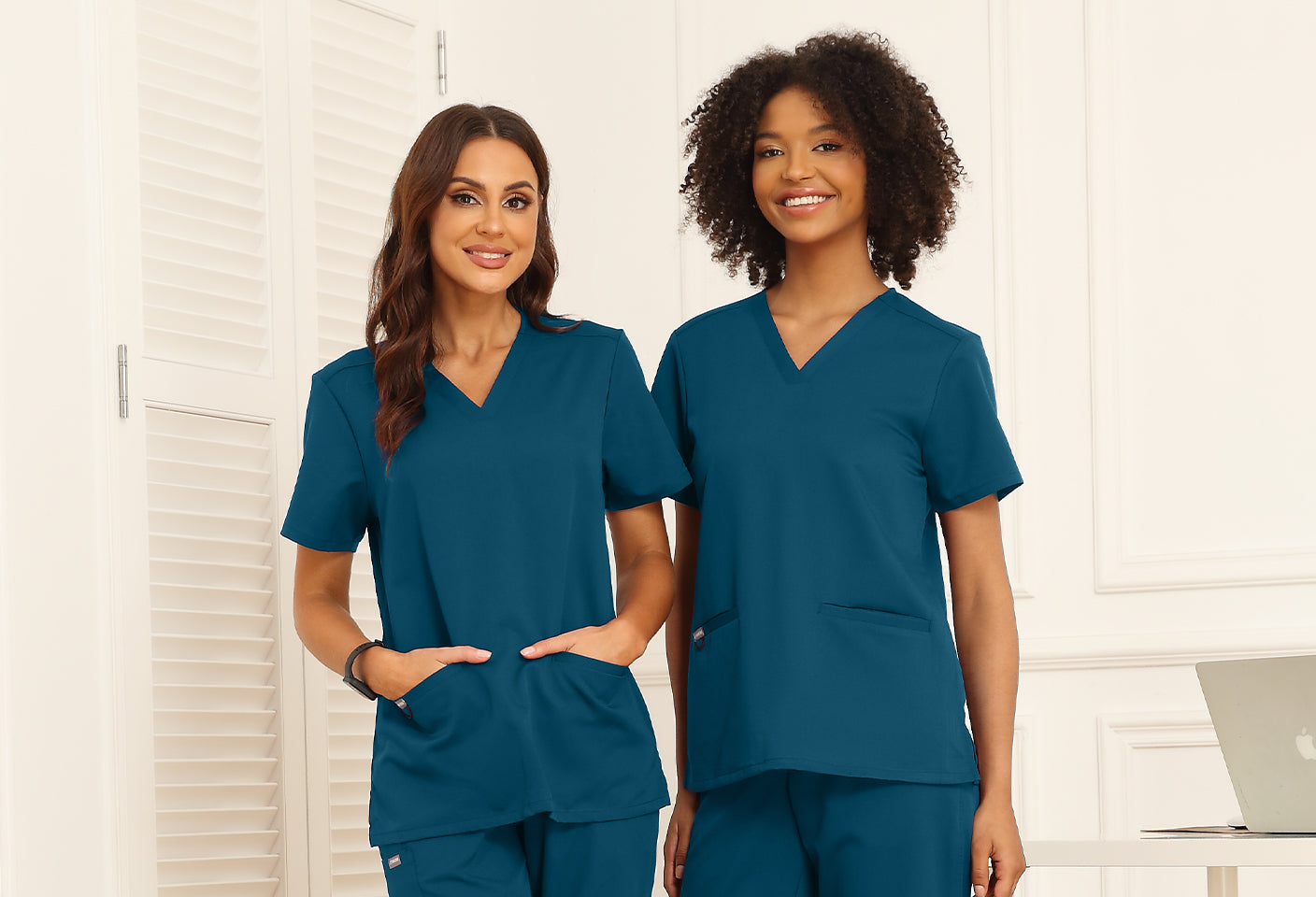

Unisexual Scrubs: Reshaping Healthcare Equity

The shift from gendered medical uniforms to neutral designs is not merely a sartorial shift but a reflection of healthcare’s evolving commitment to equity. Over the past half-century, scrubs have transitioned from rigid markers of gendered roles—pastel dresses for nurses, starched coats for male doctors—to versatile, inclusive garments that prioritize function and identity. This transformation mirrors broader societal movements toward inclusivity, with tangible impacts on workplace dynamics, patient trust, and systemic fairness.
The Evolution of Scrubs: From Gendered Symbols to Inclusive Design
The transformation of medical uniforms from rigidly gendered attire to inclusive designs unfolded in distinct phases, each mirroring broader societal shifts in attitudes toward gender and professionalism. What began as practical workwear tied to outdated stereotypes gradually evolved into a medium for challenging biases, with each decade bringing incremental changes that laid the groundwork for today’s neutral standards.
1970s–1990s: Reinforcing Gender Roles
In the 1970s, as women entered medicine in unprecedented numbers, uniforms remained stubbornly tied to gender norms. Nurses were often required to wear frilled caps and form-fitting dresses in soft pinks or purples, while male physicians donned crisp white coats and dark trousers—choices rooted in historical stereotypes framing women as “caregivers” and men as “authorities.” By the 1990s, the rise of scrubs introduced more practicality but retained gendered color coding: pale hues marketed as “for her,” charcoal or navy scrubs as “for him,” perpetuating biases about clinical competence.
2010s–Present: Breaking Binary Norms
The 2010s marked a turning point, driven by LGBTQ+ advocacy and workplace inclusion demands. Brands phased out gendered sizing, adopting unisex cuts with straight lines and adjustable waists. Neutral palettes expanded beyond traditional binaries, with shades like Caribbean blue and olive green replacing gender-coded pastels. This shift aligned with WPATH guidelines on reducing gender dysphoria, responding to healthcare workers’ calls for functional, identity-affirming uniforms.
How Neutral Scrubs Transform Daily Healthcare Interactions
The shift to gender-neutral scrubs has redefined day-to-day dynamics in healthcare settings, creating tangible benefits for both providers and patients. By prioritizing universal fit and reducing gendered cues, these uniforms address longstanding practical challenges while fostering more equitable interactions.
Empowering Healthcare Workers
For years, ill-fitting designs hampered performance: narrow shoulders in traditional "scrubs for women" restricted movement, while oversized men’s cuts hindered dexterity. Gender-neutral ergonomic designs resolved these issues through stretch fabrics and inclusive sizing. Innovations in plus size scrubs—featuring adjustable waistbands and extended ranges—now ensure mobility for all body types, proving critical for procedural safety and long-shift comfort. Most clinical staff report improved performance in unisex designs during emergencies. For transgender and non-binary workers, neutral uniforms also foster authenticity, reducing workplace stress.
Improving Patient-Provider Trust
Patients are equally impacted. Recent clinical studies found that when staff wore neutral scrubs, patients focused more on credentials than gender-based assumptions. For marginalized groups, inclusive settings correlate with higher follow-up rates due to reduced misgendering anxiety. As emphasized by the NHS, neutral attire helps patients judge care by skill rather than stereotypes—strengthening trust in high-pressure environments.
Conclusion
Gender-neutral scrubs are more than fabric; they’re tools for equity. By stripping away gendered cues, they empower healthcare workers to perform optimally and enable patients to connect with providers as professionals. As adoption grows—buttressed by NHS, AHA, and WPATH guidelines—this trend is cementing inclusion as healthcare’s foundation. Ultimately, the best uniform is one that lets everyone focus on healing.